Concrete Patios Built on a Solid Plan
Request a patio estimate
A lot of people think a patio is just a flat slab poured on a sunny weekend. In practice, the base, the slope and the mix decide how long it lasts. That matters even more in a humid area with near-daily summer storms.
Cashmovement Concrete is a referral service. We do not pour concrete. We help homeowners in DeBary, FL understand what a patio really needs, then connect them with independent local providers in our network. Older houses get extra attention, because aging slabs, past patches and hidden surprises can change the plan. Request an estimate and compare your options with no obligation.
Planning a Patio? Read This First
A lot of people think a patio is a quick weekend pour. In practice, the work that matters happens before any concrete arrives. Providers in our network start with the ground, the slope and whatever is already there. That is especially true on older homes.
Myth: Any Slab Will Do
Many homeowners assume concrete is concrete. It is not. Mix, thickness, base and reinforcement all change how a patio holds up. In humid, stormy weather, those details decide whether the surface stays smooth or starts cracking in a few seasons.
Why Homeowners Choose Concrete Flatwork
Concrete flatwork means a patio, walkway or pad that is poured flat and finished by hand. People like it because it is firm, wide open and easy to sweep. It handles chairs, grills and summer downpours well. It also lets you pick a finish that fits your yard.
Older Home, Extra Care
Older houses hold surprises. An aging slab may sit right where you want the new patio. Past patches can hide soft spots. Old drain lines or buried debris can sit just below the surface. A good provider plans for these before pricing the job.
Check Under It First
Before the pour, a provider can probe the soil, look for old fill and watch how water moves across the yard. Check under it first. A new patio on a weak base will fail, no matter how nice it looks on day one.
Tying Into Existing Walls and Slabs
Many 1970s to 2000s concrete block homes sit on slabs that have settled a little. A careful provider matches heights, adds proper joints and avoids locking a new patio tight against the house. If you see cracks along the home itself, talk with foundation repair experts before you build. A patio should never be used to hide a structural problem.
What a New Patio Project Includes
Every provider works a little differently. Most jobs cover these steps:
- Measuring the space and marking the shape
- Removing old concrete, sod or roots
- Grading and packing a firm base
- Setting forms and reinforcement
- Pouring, finishing and cutting joints
- Curing and sealing the surface
Sizing Your Patio
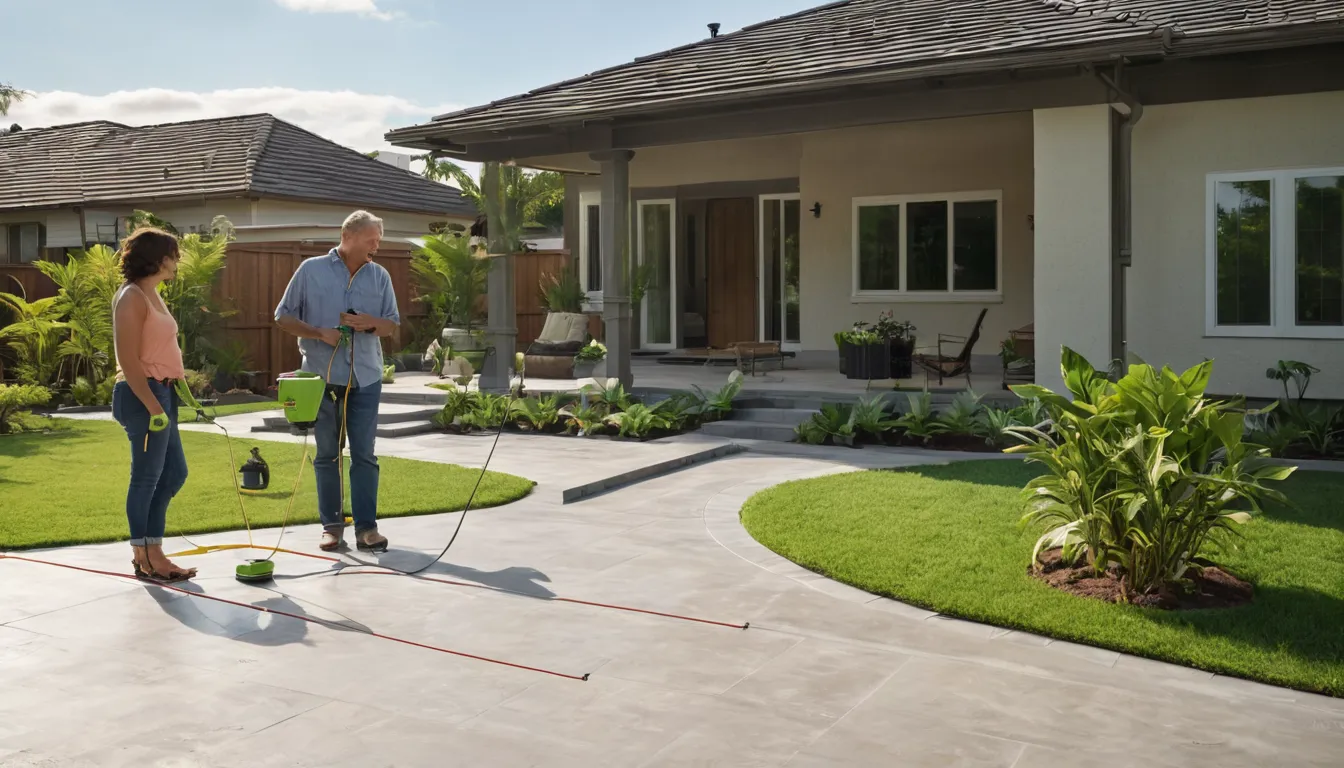
Some people think a bigger patio always means bigger trouble. Really, size is about how you live. A small table and four chairs fit on roughly 10 by 10 feet. A grill and a lounge corner may need 12 by 20 or more. Leave room to walk around furniture. Mark the shape with a hose or spray paint and stand in it before you decide.
Finish Options
The surface you see is only one part of the job, but it is the part you live with every day.
Broom and Smooth Finishes
A light broom finish gives grip when the surface is wet. It is a practical pick for rainy, humid climates and usually costs less than decorative work.
Stamped Concrete Patios
Stamped concrete patios use pattern mats to press the look of stone, brick or wood into fresh concrete. Color goes into the mix or onto the surface. Many people think it looks fake. With good color work and a pattern that suits your home, it can look natural. It does need sealing on a regular schedule.
Drainage and Your House
A lot of people think rain will simply run off. Flat slabs hold water. A patio should slope away from the house, and a gentle slope of about 1/8 to 1/4 inch per foot is a common rule. With daily summer storms and heavy hurricane-season rain, that slope protects the edge of your foundation. Ask the provider where the downspouts and runoff will go.
Choosing a Concrete Provider
A truck in the driveway does not make someone a good fit. Ask whether the provider is licensed and insured where your area requires it. Ask for a written quote that lists thickness, base, reinforcement, joints and sealer. Ask how old slabs will be removed. Then compare two or three quotes side by side. Request a callback to check provider availability in your area.
Pour, Then Protect
The job is not done when the trucks leave. Upkeep is what keeps a new patio looking good.
The First Few Weeks
Keep heavy loads, furniture and cars off for as long as the provider tells you. Curing is when concrete gains its strength, and rushing it can leave marks or weak spots.
Seal and Sweep
Seal on the schedule your provider suggests, often every few years, and more often for stamped surfaces. Sweep leaves and rinse off mildew, which grows fast in humid air. Fill hairline cracks early so water cannot work its way in.
Ready to Compare Estimates?
Tell us about your yard, your house and the look you want. Providers in our network can walk the site and give you a written quote. There is no obligation to hire anyone.
What's Included
Site Check
A provider looks at slope, soil and any old slabs or patches before suggesting a plan.
Base and Grading
The ground is shaped and packed firm so water moves away from the house.
Forms and Pour
Forms, reinforcement and joints are set first, then the concrete is placed and finished.
Curing and Sealing
The surface cures properly and is sealed to resist stains, moisture and wear.
Typical Concrete Patio Price Ranges
Patio prices vary with size, access, finish and what is under the old surface. These are typical U.S. ranges only. Always get a written quote before you agree to any work.
| Item | Typical range | Notes |
|---|---|---|
| Basic broom-finish patio | $6 – $12 per sq ft | Plain gray, simple shape |
| Stamped concrete patio | $12 – $22 per sq ft | Pattern, color and sealer add cost |
| Removing an old slab | $1 – $3 per sq ft | Depends on thickness and hauling |
| Base prep and grading | $1 – $4 per sq ft | Higher for poor soil or slopes |
| Drainage fixes | $500 – $3,000 | Drains, downspout lines or regrading |
| Steps, borders or thickened edges | $300 – $1,500 | Varies with design and size |
How It Works
Request an Estimate
Share your address, the size you have in mind and any concerns about an older slab.
Get Matched Locally
We connect you with independent providers in our network who work in your area.
Review Written Quotes
Compare thickness, base, finish and sealer line by line before you choose.
Pour, Then Protect
Your chosen provider does the work, then you follow simple upkeep tips.
Why Call Cashmovement Concrete
Plans for Older Homes
Providers in our network know to look for settled slabs, old patches and hidden surprises.
Myths Cleared
We explain what a patio really needs so you can judge quotes with confidence.
Local Providers
You are matched with independent providers who understand humid, storm-heavy conditions in your area.
Upkeep Advice
Simple care tips help your new patio stay smooth, clean and strong for years.
Other Services
Need concrete patios in DeBary?
Tell us about your driveway, patio or stamped concrete project. Request an estimate and a local provider from our network can follow up with a written quote and no obligation.
No obligationConcrete Patios FAQ
How thick should a concrete patio be?
Many residential patios are poured about 4 inches thick over a compacted base. Heavy loads, such as a hot tub, may need more thickness or reinforcement. Ask the provider to list it in the quote.
Can I pour a new patio next to an old slab?
Often yes, but the provider should check the old slab first. Settling, cracks and uneven edges affect how the two tie together. Proper joints help the pieces move without breaking.
How long before I can use a new concrete patio?
Foot traffic is often fine after a few days, but heavy items need longer. Providers commonly suggest waiting about a week or more, depending on weather. Follow your provider's instructions.
Tell us what happened
Tell us about your driveway, patio or stamped concrete project. Request an estimate and a local provider from our network can follow up with a written quote and no obligation.
No obligation